
Your Questions About Blood Sugar & Nutrition, Answered
Our editorial team at Diabetesnutritiontipsinfo has gathered the most common questions readers ask about healthy eating, blood sugar balance, and smart food choices. Browse through our in-depth answers below.
Browse Our Nutrition Guides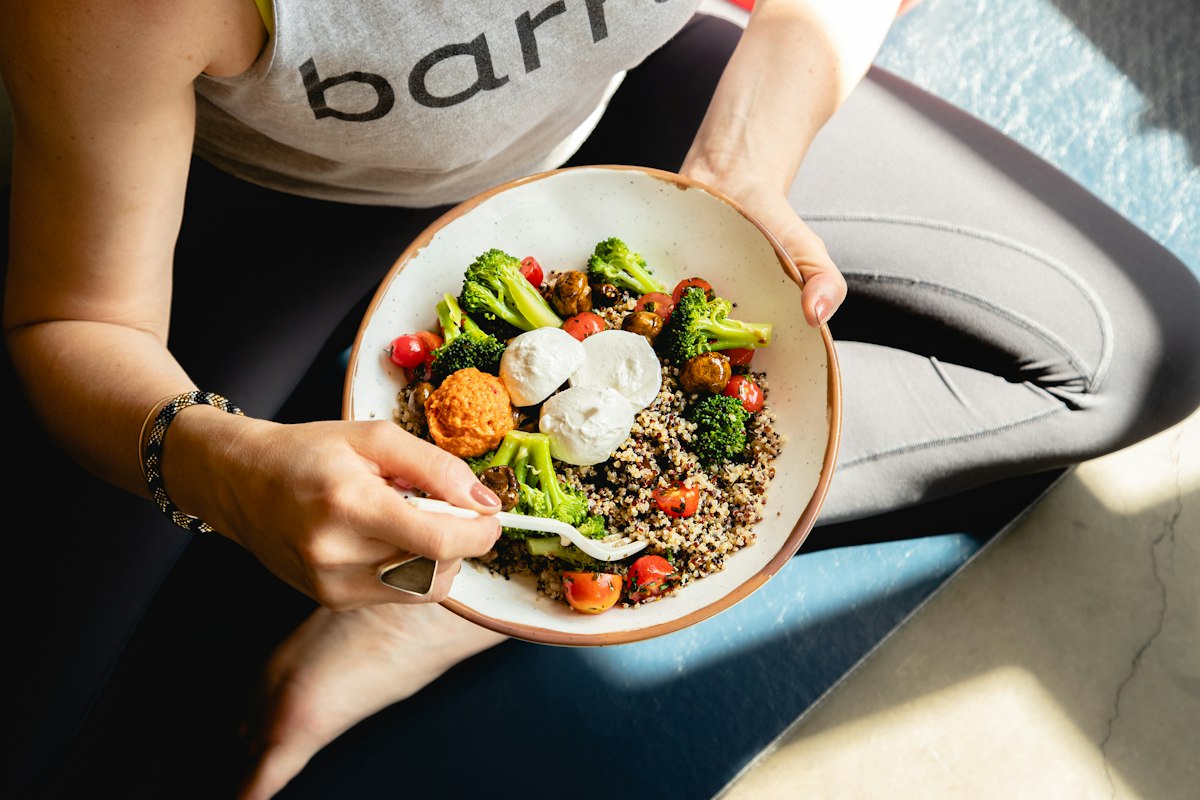
Nutritional Insights
Evidence-based food guidance from our editorial board.
Research-Based Content
All content is reviewed and grounded in published nutrition research.
Editorial Integrity
We publish educational content only — no products, no promotions.
All Your Questions, Answered
Below you'll find our most frequently asked nutrition questions — covering food choices, eating habits, and everyday guidance for maintaining steady energy levels through smarter eating.
Which vegetables are best for keeping blood sugar levels stable?
Non-starchy vegetables are widely considered the most beneficial for blood sugar balance. These include leafy greens such as spinach, kale, and Swiss chard, as well as broccoli, courgette, cucumber, and green beans. They are rich in fibre, which slows the absorption of sugars into the bloodstream, and provide important vitamins and minerals with very few digestible carbohydrates. Incorporating a wide variety of these vegetables into daily meals is one of the most practical nutritional steps you can take. Our editorial team has dedicated several in-depth articles to vegetable-based meal planning — browse our nutrition guides for ideas.
What is the glycaemic index and why does it matter for food choices?
The glycaemic index (GI) is a scale from 0 to 100 that ranks how quickly a carbohydrate-containing food raises blood glucose compared to pure glucose. Foods with a low GI (55 or below) release energy slowly and help maintain steadier blood sugar levels throughout the day. Examples of low-GI foods include lentils, chickpeas, oats, most fruits, and most dairy products. High-GI foods — such as white bread, white rice, and sugary drinks — cause quicker spikes. Understanding GI helps readers make more informed choices at each meal without needing to eliminate entire food groups.
Are fruits safe to eat if you're trying to keep blood sugar steady?
Yes — most whole fruits are suitable as part of a balanced diet. The fibre in whole fruit slows sugar absorption considerably compared to fruit juice. Berries (blueberries, raspberries, strawberries), cherries, apples, and pears tend to have lower GI values and are rich in antioxidants and vitamins. Tropical fruits like mangoes and pineapples have a higher natural sugar content and are better consumed in smaller portions. Importantly, whole fruit should always be preferred over fruit juice, which lacks fibre and delivers a much more concentrated source of sugar. Read our dedicated article on fruits in our Insights section.
What are the best whole grains for maintaining steady energy without sugar spikes?
Whole grains retain their bran and germ, which means they contain more fibre and digest more slowly than refined grains. Excellent choices include rolled oats, barley, quinoa, buckwheat, and whole rye bread. Barley in particular is notable for its very high beta-glucan fibre content, which research consistently associates with slower post-meal glucose rises. Replacing white bread and white pasta with whole-grain equivalents is one of the most impactful dietary adjustments many readers make. Portion size still matters — even whole grains contain significant carbohydrates, so pairing them with protein and healthy fats is a smart strategy.
Does eating protein with carbohydrates actually help slow blood sugar rises?
Yes — combining protein with carbohydrates is a well-documented nutritional strategy. Protein slows gastric emptying, meaning food moves through the digestive system more gradually and glucose enters the bloodstream at a slower, more manageable rate. Good protein sources include eggs, fish, legumes, Greek yoghurt, tofu, and lean poultry. Rather than eating carbohydrates alone (e.g. a plain piece of bread), adding a protein element — such as a boiled egg or a spoonful of almond butter — creates a more balanced nutritional response. This principle is central to many of the meal ideas featured in our Recipes section.
Which healthy fats are most useful in a blood-sugar-conscious diet?
Healthy unsaturated fats — particularly monounsaturated and polyunsaturated fats — play a supportive role in balanced nutrition. Extra-virgin olive oil, avocado, walnuts, almonds, flaxseeds, and fatty fish like salmon and mackerel are all excellent sources. These fats do not raise blood glucose and, similarly to protein, help slow digestion when eaten alongside carbohydrates. The Mediterranean dietary pattern, which is rich in olive oil, nuts, legumes, and fish, is frequently highlighted in nutrition research as beneficial for long-term energy regulation. It's worth noting that portion awareness still applies — healthy fats are calorie-dense even when they are nutritionally valuable.
Can vinegar or cinnamon really influence blood sugar after meals?
Both apple cider vinegar and cinnamon have attracted genuine scientific interest in the nutrition community, though it's important to approach claims with realistic expectations. Apple cider vinegar — when consumed diluted before or during a meal — has been shown in several studies to modestly reduce post-meal glucose response, likely by slowing gastric emptying. Cinnamon contains compounds that may improve how cells respond to glucose. These are interesting dietary additions, not substitutes for overall dietary patterns. Including a small amount of cinnamon in oatmeal or diluted vinegar in salad dressings are simple, practical ways to incorporate them into everyday meals.
What are the best salad ideas for people watching their blood sugar?
A balanced salad for blood sugar awareness typically combines leafy greens with a protein source, healthy fat, and a low-GI topping. For example: baby spinach with grilled salmon, avocado, cucumber, cherry tomatoes, and an olive oil and lemon dressing. Or: mixed leaves with chickpeas, roasted red pepper, feta cheese, walnuts, and a balsamic vinegar dressing. The key is to avoid high-sugar dressings, croutons, and sweet-glazed toppings that can turn an otherwise healthy salad into a high-GI meal. Our Recipes section features a growing collection of salad ideas specifically designed with this balance in mind.
Are legumes (beans, lentils, chickpeas) a good choice for managing blood sugar?
Legumes are among the most nutritionally valuable foods for blood sugar balance. They have a low GI despite containing carbohydrates, because they are also high in soluble fibre and plant protein — both of which slow digestion and moderate glucose absorption. Lentils, black beans, kidney beans, chickpeas, and split peas are all excellent options. They are also affordable, versatile, and filling. Studies consistently show that people who regularly consume legumes as part of their diet tend to have better long-term glucose management compared to those who rely primarily on refined grain-based carbohydrates. Including them three to five times per week is a widely endorsed dietary pattern.
How does meal timing and eating frequency affect blood sugar levels throughout the day?
The timing and frequency of meals can influence how the body processes glucose. Eating smaller, more frequent meals spaced throughout the day (rather than one or two very large meals) tends to result in smaller, more manageable glucose fluctuations. Skipping meals — especially breakfast — can sometimes lead to larger post-meal spikes later, as the body compensates with a stronger appetite response. Starting the day with a protein- and fibre-rich breakfast helps set a stable nutritional tone. Evening eating patterns also matter: consuming large carbohydrate-heavy meals late at night may have a different physiological impact than the same meal eaten earlier in the day, according to recent chrononutrition research.
Which drinks are most helpful (and which should be limited) for blood sugar balance?
Water remains the most effective and accessible drink for maintaining hydration without any impact on blood sugar. Unsweetened green tea and herbal teas are excellent secondary options and may even have modest beneficial effects on glucose metabolism, according to several nutritional studies. Black coffee (without added sugar) is generally considered neutral in moderate amounts. Drinks to limit include regular fizzy drinks, fruit juices, sweetened iced teas, energy drinks, and flavoured coffees with syrup — all of which can contain significant amounts of rapidly absorbed sugar. Even so-called "healthy" smoothies can deliver a large glucose load if they include very ripe bananas, mango, or concentrated fruit juice as a base.
What role does physical activity play alongside healthy eating for blood sugar regulation?
Nutrition and movement work together closely when it comes to blood sugar balance. Physical activity helps muscles use glucose for energy, and even a short walk (15–20 minutes) after a meal has been shown to meaningfully reduce post-meal glucose levels. Both aerobic activities (walking, cycling, swimming) and resistance training (bodyweight exercises, light weights) support the body's ability to use glucose efficiently over time. For readers who are just starting to add movement to their routine, the guidance is consistent: consistency matters more than intensity. Daily moderate movement, combined with the food choices outlined across our guides, creates a much more robust foundation than either nutrition or activity alone.
Still Have Questions?
Our editorial team publishes new guides, articles, and answered questions regularly. Explore our full knowledge base for deeper reading on every topic covered above.

How We Research and Write Our Nutrition Content
Every article and FAQ answer published by the Diabetesnutritiontipsinfo editorial team is based on publicly available nutritional research and widely accepted dietary guidelines from recognised health authorities across France and Europe. We do not promote individual products, supplements, or specific brands.
Our writers review current nutritional science and translate complex findings into accessible, practical advice for everyday readers. If you have a specific question that isn't answered here, we encourage you to browse our full library of guides or reach out to our editorial team via the contact page.
- Grounded in published nutritional research
- No commercial affiliations or product promotions
- Practical, everyday language for all readers
- Regularly updated as new research emerges
What Our Readers Say
Feedback from people who found our guides and FAQ articles genuinely useful in their daily lives.
"I had so many questions about which foods were actually helpful and which were just marketing hype. The FAQ articles on this site gave me clear, straightforward answers without trying to sell me anything. I finally feel like I understand what I'm eating and why it matters."
Marguerite Lefebvre Lyon, France
"The question about legumes was exactly what I needed. I had no idea lentils and chickpeas could be so beneficial compared to other carbohydrate sources. I've started incorporating them into almost every lunch and I genuinely notice a difference in my energy levels through the afternoon."
Thierry Bonnet Bordeaux, France
"What I appreciate most is the balanced, calm tone of the writing. There's no scare-mongering and no miracle promises — just solid, readable information. The FAQ section is the first thing I recommend to friends who are starting to pay more attention to what they eat."
Céline Rousseau Nice, France
Ready to Learn More About Healthy Eating?
Our full library of nutritional guides, recipe ideas, and editorial insights is available free of charge. Start exploring today and discover practical, well-researched content to support your everyday food choices.
Frequently Asked Questions
Have questions about diabetes nutrition? We've gathered the most common ones our readers ask.
The information above is for general educational purposes only. Always consult a qualified healthcare professional before making changes to your diet or treatment plan.
Start Eating Smarter Today
Join thousands of readers who rely on Diabetesnutritiontipsinfo for clear, evidence-based guidance. Browse our recipes, download our free meal planner, and take the first step toward better blood sugar control.
No sign-up required · Always free · Trusted by 50,000+ readers