
Balance Your Blood Sugar Naturally with Science-Backed Nutrition
Discover evidence-informed articles, expert nutritional guides, and practical food lists curated by our editorial team at Diabetesnutritiontipsinfo. We help you understand which everyday foods and habits support healthy glucose levels — so you can make smarter choices at every meal.
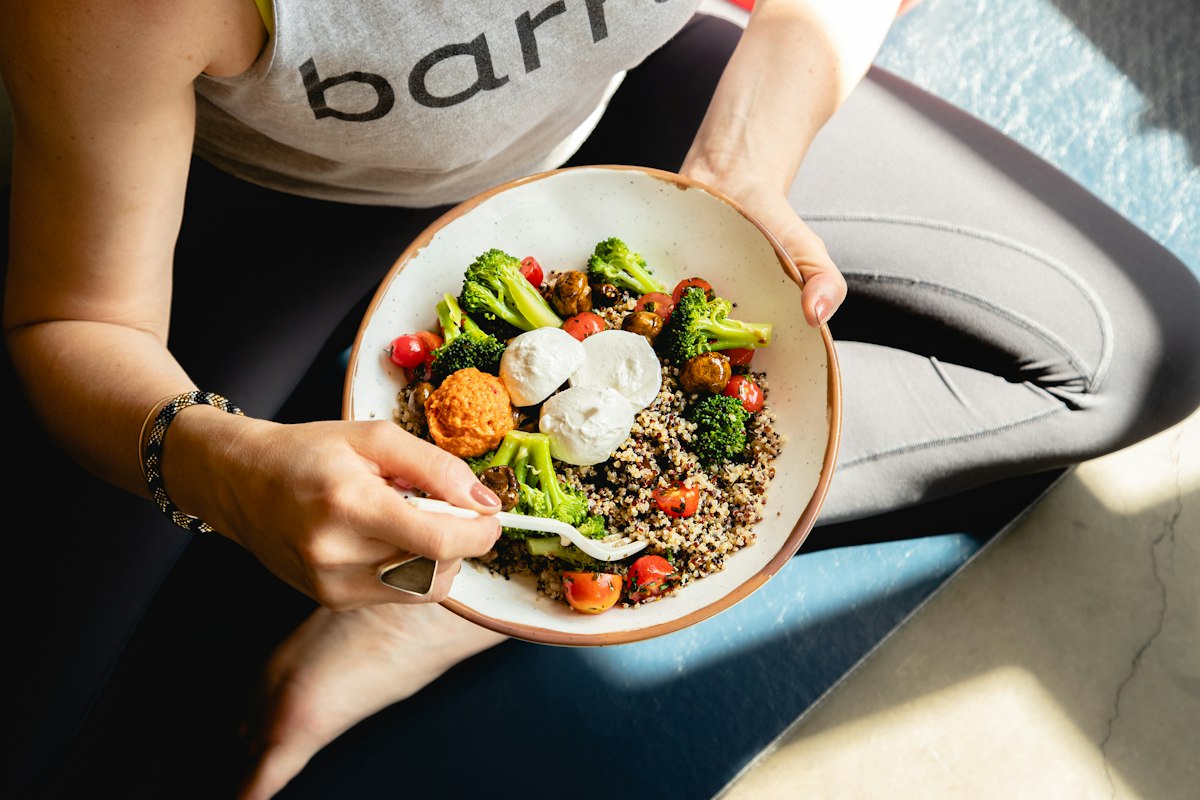
Want a quick reference to blood-sugar-friendly foods?
Download the Free Guide
How Blood Sugar Levels Shape Your Daily Energy and Focus
Fluctuating glucose throughout the day can leave you feeling sluggish after meals, craving sweets in the afternoon, and struggling to concentrate when you need it most. Many people in France and across Europe experience these cycles without realising that everyday dietary choices play a central role in stabilising them.
Our editorial team has spent considerable time reviewing nutritional research to bring you clear, actionable guidance. We focus on real foods — vegetables, legumes, whole grains, healthy fats, and fermented products — that have well-documented effects on glucose response after eating.
Rather than restrictive diets or extreme protocols, we explore how small, consistent changes in what you put on your plate can make a meaningful difference to how you feel each and every day.
Explore Our Nutrition InsightsTop Foods That Help Support Healthy Glucose Levels
These nutrient-dense everyday foods have been highlighted across multiple nutritional studies for their positive role in moderating glucose response. Incorporate them gradually and observe how your body feels.
Leafy Green Vegetables
Spinach, kale, rocket, and Swiss chard are extremely low in digestible carbohydrates while being rich in magnesium — a mineral closely linked to insulin sensitivity. They make an ideal base for any balanced meal and pair well with healthy fats like olive oil.
Learn moreWhole Oats & Legumes
Oats contain beta-glucan, a soluble fibre that slows glucose absorption after meals. Lentils, chickpeas, and black beans are similarly high in fibre and protein, giving meals a lower glycaemic impact. They are pantry staples in the French Mediterranean tradition for good reason.
Learn moreFatty Fish & Omega-3s
Sardines, mackerel, salmon, and trout are rich in omega-3 fatty acids that support healthy cellular response to insulin. Including fatty fish two to three times a week can help reduce post-meal glucose spikes when used as a protein source in place of highly processed alternatives.
Learn moreFermented Foods & Plain Yoghurt
Kefir, natural yoghurt, sauerkraut, and miso introduce beneficial bacteria that support gut health — and emerging nutritional research suggests a healthy gut microbiome plays a role in moderating glucose absorption. Opt for unsweetened, full-fat versions to avoid added sugar spikes.
Learn moreBerries & Low-GI Fruits
Blueberries, raspberries, and strawberries are lower in total sugar than most fruits and rich in antioxidants like anthocyanins, which have been studied for their role in glucose regulation. Eating fruit whole (rather than juiced) preserves the fibre that slows sugar uptake.
Learn moreExtra-Virgin Olive Oil & Nuts
A cornerstone of Mediterranean eating, extra-virgin olive oil added to meals can slow gastric emptying and reduce the glycaemic impact of carbohydrates. Walnuts, almonds, and hazelnuts offer healthy fats and plant-based protein that keep you fuller for longer without sharp glucose rises.
Learn moreThree Simple Steps to Begin Your Blood Sugar Wellness Journey
You do not need to overhaul your entire lifestyle overnight. Our editorial content is structured to guide you step by step, at your own pace.
Understand Your Current Eating Habits
Begin by reading our foundational guides on glycaemic index and glycaemic load. Understanding how different foods affect blood glucose — not just in isolation, but combined in a meal — gives you the knowledge to make better everyday decisions without guessing.
Swap and Add — Not Restrict and Remove
Our recipe and food guides focus on positive additions rather than deprivation. Try swapping white rice for cauliflower rice once a week, or replacing a sweet afternoon snack with a handful of mixed nuts and a small portion of berries. These incremental shifts compound over time.
Track How You Feel and Stay Curious
Pay attention to your energy, concentration, and cravings in the hours after different meals. Keep a simple food-and-energy journal to spot patterns. Our insights section publishes new articles regularly, giving you fresh, evidence-based ideas to refine your approach as you learn.
Ready to Deepen Your Nutritional Knowledge?
Our guides cover everything from the best salads for balanced eating to comprehensive food lists ranked by their glycaemic impact. Browse them all — they are completely free to read.
What Our Readers Are Saying
These are reflections from readers. Individual results may vary and are not guaranteed.
"I had been feeling exhausted every afternoon for years and assumed it was just stress. After reading the articles on glycaemic load and swapping my baguette at lunch for a lentil-based dish, the afternoon energy dips almost completely disappeared within a few weeks. The guides here are practical, not preachy."
Claire Fontaine Lyon
"The salad guide alone changed how I approach lunch. I never realised how much difference the order in which you eat your food makes — starting with vegetables and protein before carbohydrates really does seem to smooth out how I feel after eating. I have recommended this site to my entire family in Bordeaux."
Marc-Antoine Lebrun Bordeaux
"What I appreciate most about Diabetesnutritiontipsinfo is that the articles never make you feel judged for your eating habits. They explain the science clearly and offer concrete alternatives. I started adding cinnamon to my morning oats based on one of the insight articles — a tiny change, but something I genuinely look forward to now."
Isabelle Morin Nice
Common Questions About Natural Blood Sugar Management
Our editorial team has compiled answers to the questions readers ask us most often. For more in-depth answers, browse our full FAQ page.
Which everyday foods have the lowest glycaemic impact?
Non-starchy vegetables, legumes, most nuts, seeds, plain dairy, and fatty fish are among the foods with the lowest impact on blood glucose. Whole fruits, when eaten with their fibre intact, are generally preferable to refined grain products or sweetened beverages.
Is a low-carbohydrate diet the best approach for blood sugar balance?
Not necessarily. The type and quality of carbohydrates matter more than their absolute quantity for most people. Replacing refined carbohydrates with higher-fibre options like oats, sweet potatoes, and legumes can support steady glucose levels without eliminating carbs entirely.
Does the order in which I eat my food really matter?
Research suggests that eating vegetables and protein before carbohydrates in the same meal can reduce post-meal glucose rises. This approach, sometimes called "food sequencing", is practical for everyday eating and does not require counting or tracking anything.
Are there specific spices or herbs that support healthy glucose levels?
Cinnamon, fenugreek, and turmeric have been studied for their potential role in supporting glucose metabolism. While they are not a replacement for a balanced diet, incorporating these flavour-rich spices into everyday cooking is a low-effort way to enrich your nutritional approach.
How does physical activity interact with what I eat?
Even a brief 10–15 minute walk after a meal can assist the body in using circulating glucose for energy. Combining a balanced diet with regular movement is far more effective than dietary changes alone. Our insights section covers practical ways to make light activity part of your daily rhythm.
Is this platform suitable for someone already following nutritional advice from a specialist?
Absolutely. Our content is purely informational and educational. It complements, rather than replaces, professional nutritional guidance. Many readers use our articles to deepen their understanding of the dietary principles their specialist has already outlined for them.
Get New Nutrition Articles in Your Inbox
Join our readers across France and receive curated summaries of new guides and insights each week — no spam, just practical food knowledge.
We respect your privacy. Read our Privacy Notice.
Why Readers Across France Trust Our Nutrition Guides
Our editorial board brings together nutritional writers and wellness researchers who review scientific literature so you do not have to wade through complex studies yourself. Every article we publish is written in plain, accessible French-adapted English and cross-referenced against current nutritional guidelines.
We do not promote any specific product brand or commercial supplement. Our focus is entirely on whole foods, culinary traditions, and evidence-based lifestyle habits that any person — regardless of budget or culinary skill — can realistically adopt.
- Editorial independence — no sponsored content or branded partnerships that influence our recommendations.
- Practical focus — every article includes real food suggestions and meal ideas, not abstract theory.
- Regular updates — our content evolves as nutritional research progresses, keeping you current.
- Accessible language — complex nutritional concepts explained clearly, without jargon.

Take the First Step Towards Better Nutritional Awareness Today
Our free guides, in-depth food articles, and curated insights are all waiting for you. Whether you are just starting to think about glucose balance or looking to refine an existing approach, there is something here for every level of knowledge.