
Balance Your Blood Sugar Naturally with Our Top Picks
Discover a curated selection of wholesome foods, herbs, and everyday ingredients that nutrition researchers and dietitians highlight for their role in supporting healthy glucose levels. Our editorial team has gathered the most evidence-backed options so you can make informed choices at the table.
Browse by Category
Healthy Foods That Help Regulate Glucose Levels
Our editorial researchers have compiled the most widely recognized foods that nutrition science consistently links to steadier blood sugar. Explore each category and learn how to incorporate them into your daily meals.
Cinnamon
Ceylon cinnamon is one of the most researched spices in nutritional science for its potential to support healthy glucose metabolism. Adding just half a teaspoon to morning oatmeal or yogurt is a simple, flavorful habit. Read our in-depth guide to discover the best varieties and serving ideas.
Read the guide
Leafy Greens
Spinach, kale, Swiss chard, and arugula are rich in magnesium and fiber — two nutrients that dietitians frequently highlight for their role in maintaining steady energy levels throughout the day. Their low glycemic load makes them an ideal foundation for balanced meals. Learn our favorite low-sugar salad combinations.
Read the guide
Rolled Oats
Unlike refined grains, rolled oats contain beta-glucan, a soluble fiber that slows the absorption of glucose into the bloodstream and helps you feel full longer. Nutritionists recommend choosing steel-cut or old-fashioned rolled oats over instant varieties for the best results. Discover our top oat-based breakfast recipes.
Read the guide
Lentils & Chickpeas
Legumes rank among the lowest glycemic foods available, making them a cornerstone of many nutritionally balanced eating plans. High in plant protein and complex carbohydrates, lentils, black beans, and chickpeas provide sustained energy without sharp glucose fluctuations. Our editorial team shares easy weeknight recipes using these pantry staples.
Read the guide
Blueberries & Raspberries
Berries are a smart alternative to high-sugar fruits because they deliver antioxidants, vitamin C, and fiber while maintaining a comparatively low glycemic index. Blueberries in particular have been studied extensively for their polyphenol content. Find out which berries to prioritize and how to pair them for maximum nutritional benefit.
Read the guide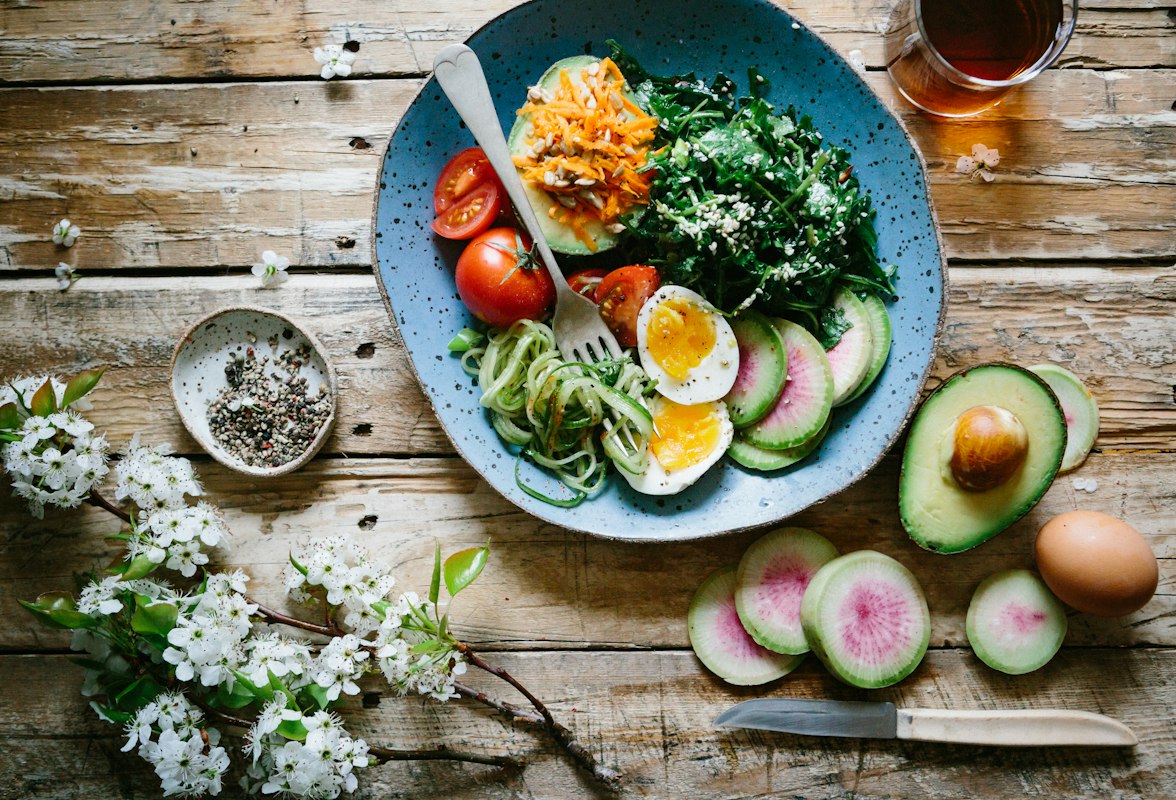
Avocado & Olive Oil
Monounsaturated fats found in avocado and extra-virgin olive oil play an important role in slowing gastric emptying, which helps moderate the rise in blood glucose after meals. These fats also support cardiovascular wellbeing and satiety. Read how to use olive oil-based dressings as part of a balanced glucose-conscious diet.
Read the guide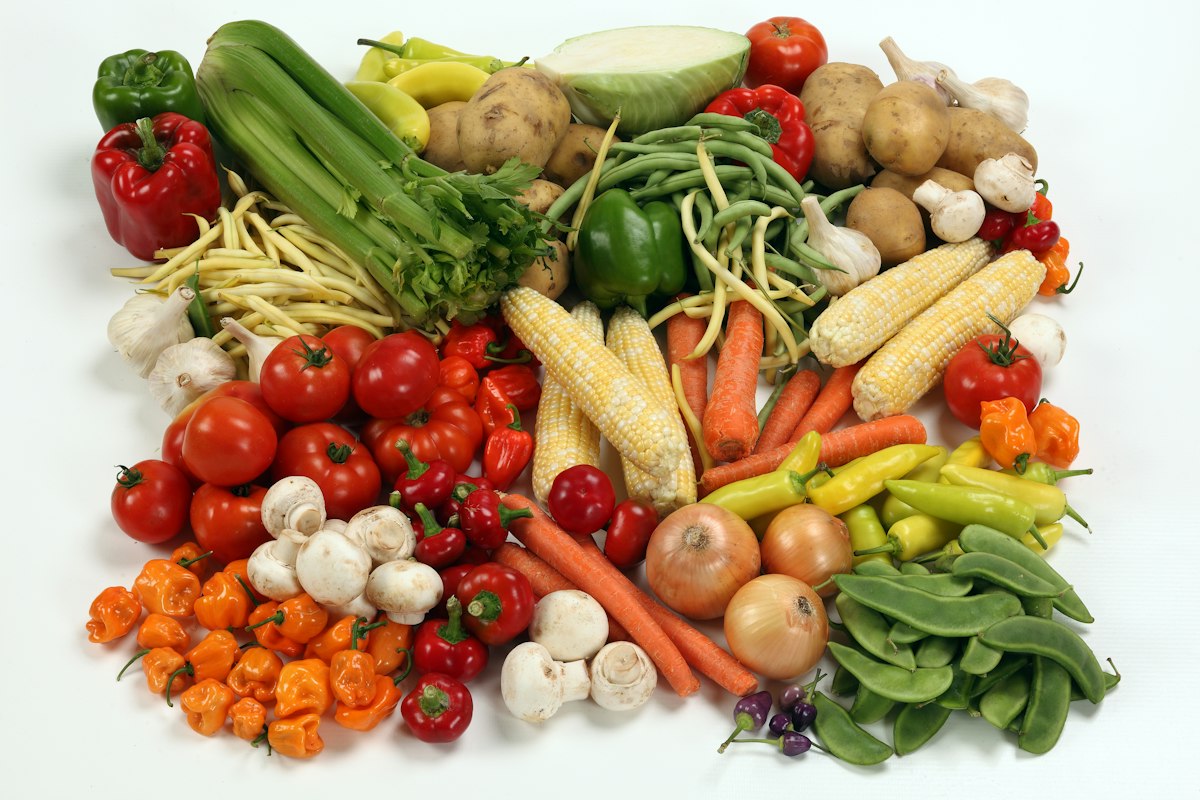
Apple Cider Vinegar
Nutritionists often reference apple cider vinegar as a food additive that may help moderate post-meal glucose spikes by influencing starch breakdown during digestion. It is best diluted in water and consumed before a carbohydrate-rich meal. Our guide explains safe and practical ways to introduce it into your daily routine.
Read the guide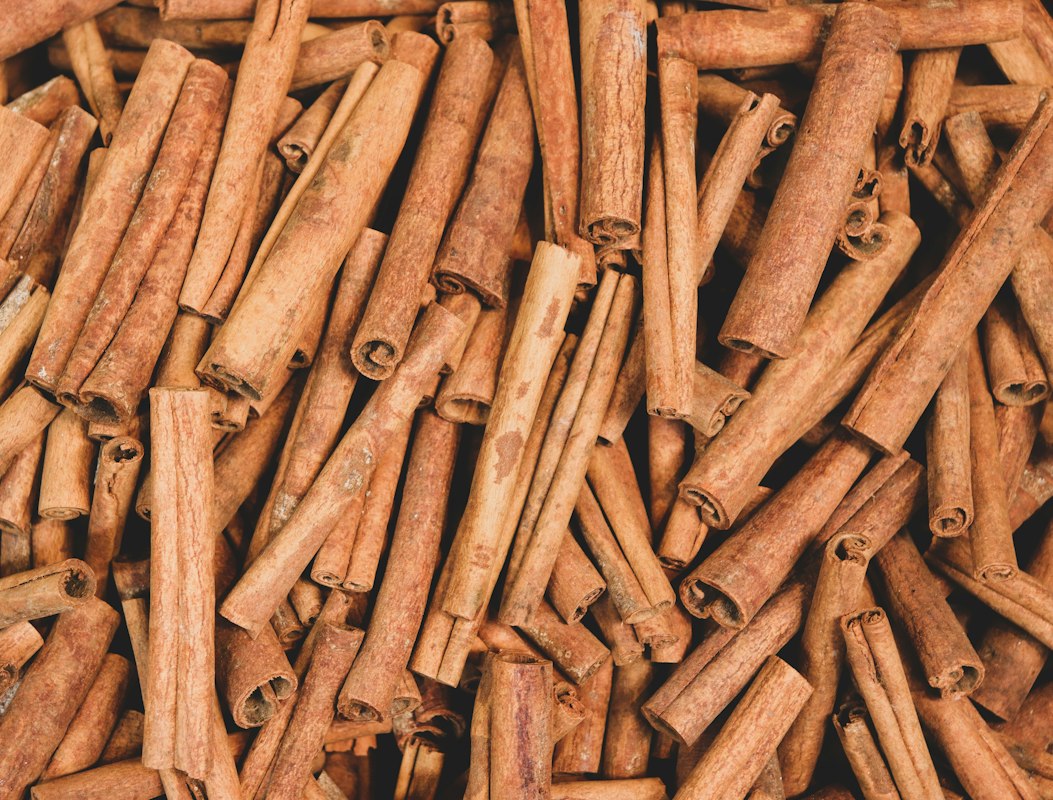
Chia Seeds & Flaxseeds
Both chia seeds and flaxseeds are exceptionally rich in soluble fiber, omega-3 fatty acids, and plant lignans — a combination that dietitians link to improved satiety and more stable energy throughout the day. Just two tablespoons mixed into a smoothie or yogurt can make a measurable difference. Explore our favorite seed-based breakfast ideas.
Read the guide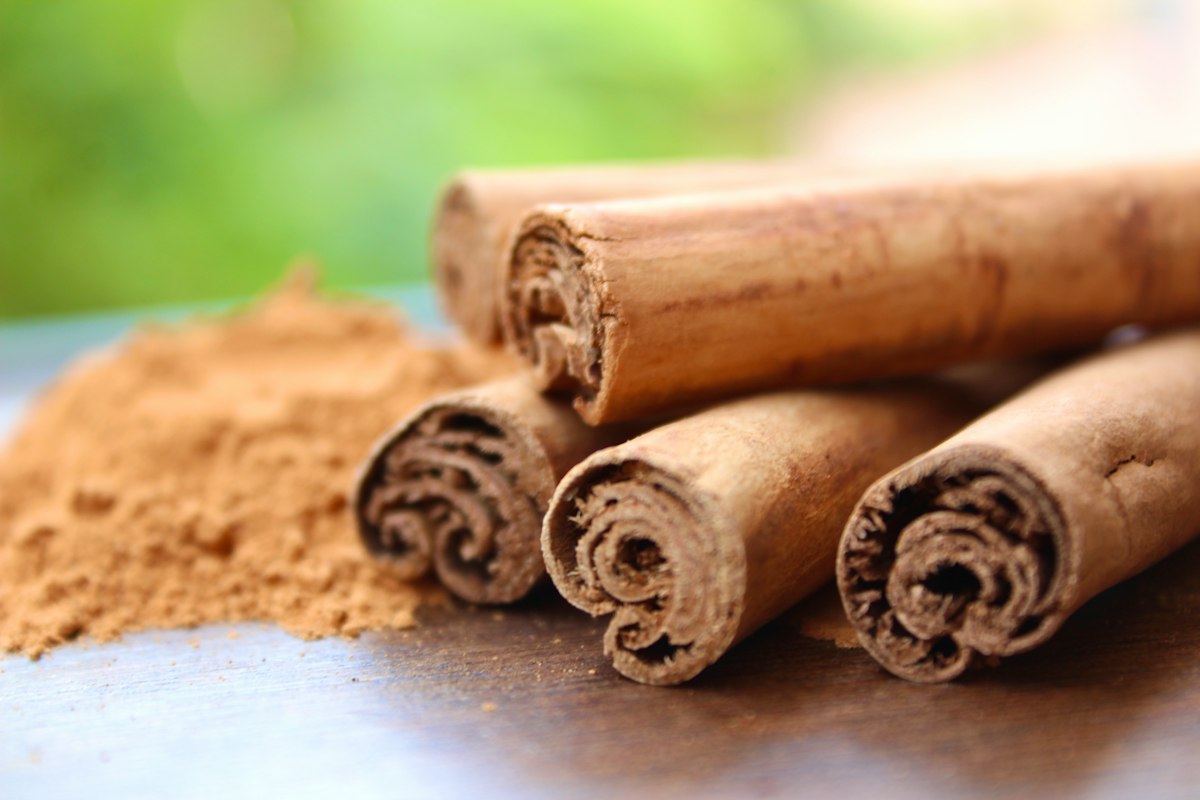
Fenugreek & Bitter Melon
Used for centuries in traditional Asian and Mediterranean food cultures, fenugreek seeds and bitter melon are increasingly recognized by nutrition researchers in Europe for their fiber and plant compound content. Both can be incorporated into cooked dishes or herbal teas. Read how traditional food wisdom aligns with modern nutritional science.
Read the guideWant to Go Deeper into Nutrition Science?
Our editorial team publishes in-depth guides, practical meal frameworks, and curated food lists specifically for readers in France who want to make smarter, evidence-informed choices every day.
How Natural Ingredients Work to Support Glucose Balance
The foods we eat directly influence how quickly glucose enters the bloodstream. High-fiber foods, for instance, create a physical barrier in the gut that slows carbohydrate digestion, resulting in a more gradual and modest rise in blood glucose. This is why whole, minimally processed plant foods are consistently featured in nutrition guidelines across Europe.
Certain bioactive compounds — such as polyphenols in berries, cinnamaldehyde in cinnamon, and beta-glucan in oats — interact with digestive enzymes and cell receptors in ways that nutrition researchers are actively studying. While no single food is a solution on its own, building a diet around a variety of these ingredients creates a meaningful cumulative effect over time.
Our editorial team draws on peer-reviewed nutritional research as well as advice from registered dietitians to present you with practical, real-world guidance. We focus not just on what to eat, but on how to combine foods, time your meals, and build lasting habits that support balanced energy throughout the day.
Read Nutrition Insights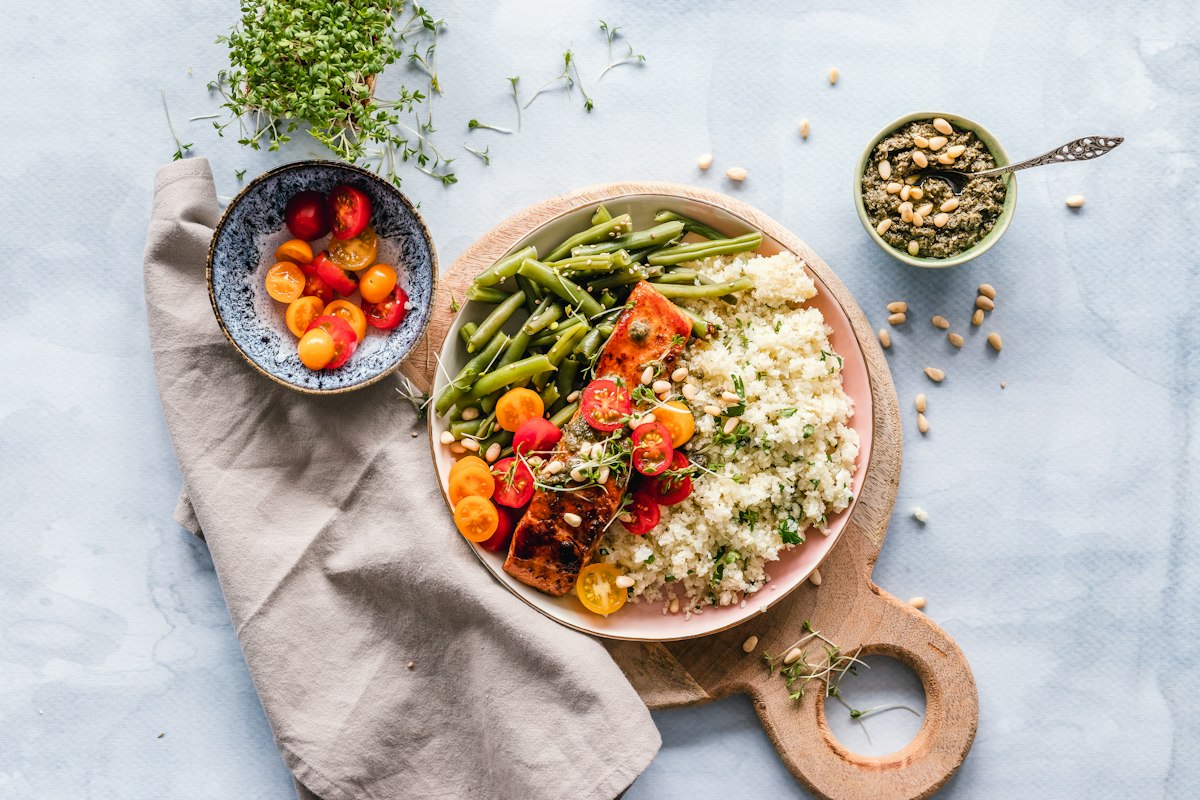
How to Build a Glucose-Friendly Plate
Registered dietitians recommend a simple, repeatable framework for assembling meals that support steady energy. Follow these four steps as a starting point and adapt them to your tastes and lifestyle.
Fill Half Your Plate with Non-Starchy Vegetables
Leafy greens, broccoli, cucumber, zucchini, and peppers are low in sugar and high in fiber. They add volume and nutrients while keeping the glycemic load of your meal low. Aim for at least two different colors on every plate.
Choose Slow-Digesting Carbohydrates
Reserve one quarter of your plate for whole grains or legumes such as rolled oats, barley, lentils, or quinoa. These release glucose slowly compared to white bread or white rice, providing sustained energy rather than a rapid spike.
Add Quality Protein and Healthy Fat
Proteins and fats naturally slow the absorption of carbohydrates. Include fish, eggs, tofu, or legumes as your protein source, and dress your vegetables with extra-virgin olive oil or serve avocado on the side for beneficial fats.
Season with Blood Sugar-Friendly Spices
Replace sugar-heavy sauces with spices like cinnamon, turmeric, fenugreek, or ginger. These add complex flavor without adding sugar, and many have been highlighted in nutritional research for their bioactive properties. A sprinkle of cinnamon on oatmeal is a simple start.
Frequently Asked Questions
Our readers most commonly ask these questions about food choices and blood sugar management. Our editorial team has compiled clear, research-informed answers below.
Which single food has the most impact on blood sugar?
No single food acts as a complete solution, but cinnamon and leafy green vegetables are consistently highlighted by nutrition researchers for their positive influence on glucose metabolism. The greatest impact comes from overall dietary patterns rather than any one ingredient. A diet rich in fiber, healthy fats, and low-glycemic carbohydrates makes the most meaningful difference over time.
Are all fruits bad for blood sugar?
Not at all. Fruits vary widely in their glycemic impact. Berries such as blueberries, raspberries, and strawberries have a much lower glycemic load than tropical fruits like mango or pineapple. Eating fruit with a source of protein or fat — such as a handful of nuts — further slows glucose absorption. Portion control matters most: a small serving of whole fruit is preferable to juice, which lacks fiber and spikes blood sugar quickly.
How often should I check my blood sugar around meals?
A common approach is to check before eating and again 1–2 hours after the first bite. This "before and after" comparison reveals how a specific meal affected your glucose. Over time, patterns emerge — certain foods may consistently spike your levels while others keep you in range. Work with your healthcare provider to determine the frequency and target ranges that are right for your individual situation.
Can I still enjoy social meals and dining out?
Absolutely. Dining out with diabetes is manageable with a few simple strategies: scan the menu in advance, choose grilled or baked proteins over fried options, ask for sauces and dressings on the side, and swap starchy sides for extra vegetables when possible. You don't need to eat a separate "diabetes meal" — with smart substitutions, you can enjoy the same table as everyone else without feeling deprived or anxious.
Take Control of Your Blood Sugar — One Meal at a Time
Managing diabetes through nutrition doesn't require perfection — it requires consistency, knowledge, and the right support. At Diabetesnutritiontipsinfo, we're here to give you practical, evidence-based guidance every step of the way. Explore our resources, build smarter habits, and feel confident at every meal.
Free information. No sign-up required. Always consult your healthcare provider for personalized medical advice.