
Balance Your Blood Sugar Naturally With Smart Nutritional Choices
Explore our in-depth editorial content on the most effective natural foods and nutrients that support healthy blood glucose levels. Our team of nutritional writers and health researchers curates evidence-informed guides to help you make better everyday choices, right here in France and beyond.
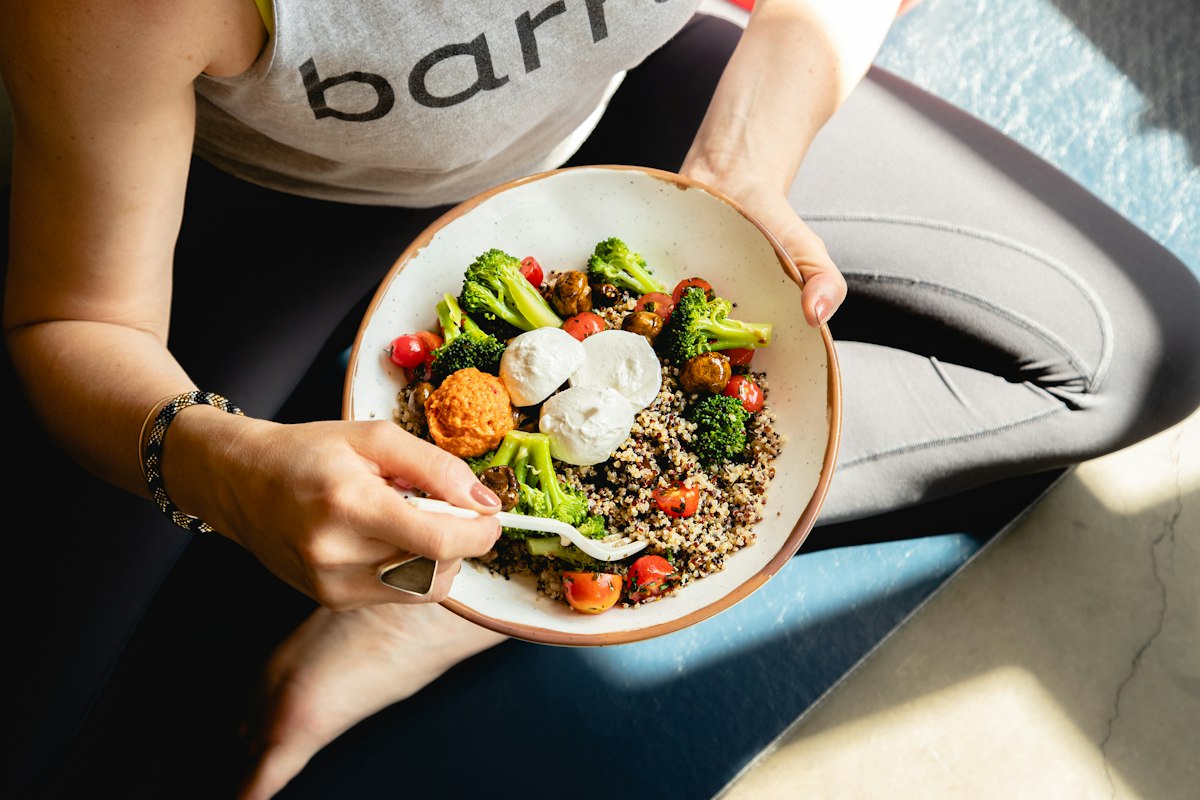
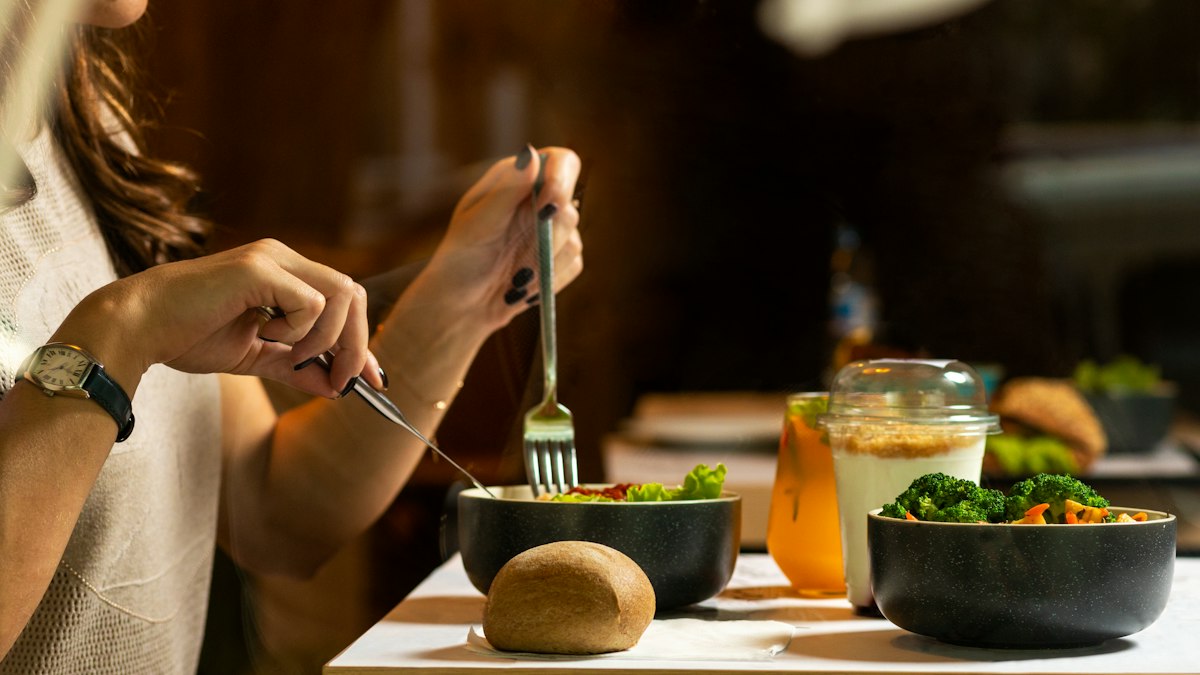
How Natural Ingredients Help Regulate Glucose Levels
Many whole foods and plant-based ingredients contain specific compounds — such as soluble fibre, polyphenols, and chromium — that play a meaningful role in how the body processes glucose after meals. Our editorial team digs into the science behind these mechanisms, presenting findings in plain language so anyone can apply them to their daily diet.
From the glycaemic index of common French staples to the surprising glucose-stabilising effects of certain spices and legumes, our articles cover a wide spectrum of nutritional knowledge. We draw on peer-reviewed nutritional research and the expertise of registered dietitians who contribute to our content.
Understanding how food interacts with your body's glucose response is the first step toward making more informed dietary decisions. Explore our guides section to go deeper into individual foods, meal timing strategies, and the latest nutritional findings.
Explore Nutritional GuidesTop Foods That Support Healthy Blood Sugar
Our writers have researched and written extensively about these key food categories, each backed by nutritional science and dietary guidance from qualified experts.
Leafy Green Vegetables
Spinach, kale, Swiss chard, and other dark leafy greens are extremely low on the glycaemic index and packed with magnesium — a mineral strongly linked to better glucose metabolism in numerous dietary studies. Our articles explore how to incorporate more greens into typical French meals.
Read articleWhole Grains & Legumes
Lentils, chickpeas, black beans, and whole oats are rich in soluble fibre and complex carbohydrates that slow glucose absorption significantly. Our editorial team has put together detailed guides comparing different grain types and their impact on post-meal blood sugar levels for everyday readers.
Read articleLow-Glycaemic Fruits
Not all fruits are created equal when it comes to glucose response. Berries, cherries, and citrus fruits have a much lower impact on blood sugar compared to tropical varieties. Discover our curated fruit comparison guides and practical tips for enjoying fruits wisely as part of a balanced diet.
Read articleSpices & Aromatic Herbs
Cinnamon, fenugreek, turmeric, and ginger have all been studied for their potential role in supporting balanced blood glucose responses. Our writers compile accessible summaries of the most relevant nutritional research, making it easy to add these flavour-boosting foods to everyday cooking.
Read articleLean Proteins & Fatty Fish
Protein-rich foods like eggs, lean poultry, and oily fish such as sardines, salmon, and mackerel help slow digestion and moderate post-meal glucose spikes. We explore the role of omega-3 fatty acids and quality proteins in supporting a stable nutritional profile, with meal ideas suited to French cuisine.
Read articleHealthy Fats & Oils
Extra-virgin olive oil, avocado, and raw nuts provide healthy monounsaturated and polyunsaturated fats that do not spike blood glucose and may help improve the body's overall glucose response over time. Browse our cooking and food selection guides to understand how fat quality matters in your daily meals.
Read articleReady to Learn More About Nutritional Balance?
Our free editorial guide covers the most effective food strategies for supporting healthy blood sugar levels — written in plain language for everyday readers across France.
Download the Free GuideSimple Steps To Start Your Blood Sugar Wellness Journey
Getting started with healthier nutritional habits doesn't have to be complicated. Follow these four practical steps, each supported by our editorial content.
Understand Your Baseline Diet
Before making changes, it helps to understand what you currently eat and how different foods affect your energy and mood throughout the day. Our introductory articles walk you through the basics of the glycaemic index, fibre content, and macronutrient balance — the foundational knowledge every informed reader needs.
Identify Blood-Sugar-Friendly Foods
Use our curated food lists and category guides to identify which ingredients align best with your nutritional goals. From seasonal vegetables available at French marchés to pantry staples like lentils and olive oil, we help you build a practical, enjoyable food list that supports more stable blood glucose responses after meals.
Explore Balanced Meal Ideas
Head over to our recipes and guides sections to discover meal combinations that bring together the best glucose-friendly ingredients in delicious, practical ways. We focus on realistic meals that work within a French lifestyle — no extreme diets, just sensible, nutritious combinations that are easy to prepare and enjoyable to eat every day.
Stay Informed With Our Latest Content
Nutritional science evolves regularly, and our editorial team actively follows new research on food, blood sugar, and metabolic wellbeing. Subscribe to our newsletter or bookmark our insights page to receive fresh articles, expert-sourced nutritional updates, and practical tips — delivered consistently so your knowledge keeps pace with the science.
Voices From Our Readers
Real readers share how the nutritional information on Diabetesnutritiontipsinfo changed the way they think about everyday food choices.
"I had no idea how much the glycaemic index varied between different types of bread until I read the guide on whole grains here. I started swapping my regular baguette for whole-grain alternatives and noticed I stayed fuller much longer without the usual mid-afternoon energy slump. This site made nutritional information feel genuinely accessible."
Isabelle Marchand Lyon
"The article on spices was a revelation — I had always used cinnamon just for flavour but never knew about its role in supporting more balanced glucose responses after meals. Now I add it to my morning porridge every single day. The editorial team here presents research in a way that is easy to understand without being dumbed down. Really appreciated the practical tips woven throughout."
Pierre-Antoine Lefèvre Bordeaux
"As someone who has been trying to eat more mindfully, finding a resource that focuses specifically on blood-sugar-friendly foods in a French context was exactly what I needed. The guides here helped me rethink my weekly shopping list entirely — more legumes, better fats, and far fewer processed snacks. I share these articles with my friends and family regularly."
Nathalie Fontaine Nice
Common Questions About Blood Sugar and Natural Foods
Our editorial team has compiled answers to the most frequently asked questions from readers across France about nutrition and blood glucose management.
What is the glycaemic index and why does it matter?
The glycaemic index (GI) ranks foods on a scale from 0 to 100 based on how quickly they raise blood glucose after eating. Foods with a lower GI are digested more slowly, producing a more gradual rise in blood sugar. Understanding the GI of common foods helps you make meal choices that support more stable energy levels throughout the day. Our guides section has a full breakdown of GI values for popular French foods.
Which vegetables are best for keeping blood sugar stable?
Non-starchy vegetables such as courgettes, broccoli, cauliflower, green beans, and leafy greens are among the most beneficial for blood sugar stability. They are very low in carbohydrates, high in fibre, and rich in micronutrients. Starchy vegetables like potatoes and corn have a higher glycaemic impact, so portion size and cooking method matter. Read our in-depth vegetable guides for a full comparison.
Can fruits raise blood sugar levels significantly?
Yes, but the impact varies greatly depending on the type of fruit, its ripeness, portion size, and whether it is eaten alone or with other foods like protein or fat. Berries (raspberries, blueberries, strawberries), cherries, and grapefruit tend to have a lower glycaemic impact. Tropical fruits like mango and pineapple, as well as dried fruits, tend to have a higher sugar content. Our fruit guide articles compare these in full detail.
Does eating fat affect blood glucose levels?
Fat itself does not directly raise blood glucose because it contains no carbohydrates. However, the type of fat and the context in which it is consumed does matter. Healthy fats from sources like extra-virgin olive oil, avocado, and nuts can actually slow the absorption of carbohydrates when eaten together, which may moderate the overall glucose response of a meal. Our articles on Mediterranean-style eating cover this topic extensively.
Is cinnamon really effective for blood sugar support?
Cinnamon — particularly Ceylon cinnamon — has been the subject of numerous nutritional studies exploring its possible role in supporting glucose metabolism. Some studies suggest it may help improve the body's response to glucose after meals, though it should never be treated as a stand-alone solution and is best used as part of a balanced diet. Our spice nutrition articles summarise what current research says and how to use cinnamon practically in cooking.
Can I eat fruit if I have diabetes?
Yes — fruit can absolutely be part of a diabetes-friendly diet, but portion size and fruit type matter. Whole fruits contain fibre, which slows sugar absorption compared to fruit juice. Berries, cherries, apples, and pears tend to have a lower glycaemic impact than tropical fruits like mango or watermelon. Our fruit-focused guides help you understand how to enjoy fruit while keeping blood sugar balanced.
How important is meal timing for blood sugar control?
Meal timing plays a more significant role than many people realise. Eating at regular intervals helps prevent large spikes and crashes in blood glucose. Spreading carbohydrate intake evenly across the day, avoiding skipping meals, and not eating large amounts late at night are all strategies that can support steadier glucose levels. Our articles on meal planning explore timing strategies in practical, everyday terms.
Is the information on this site suitable for Type 1 diabetes?
Our content covers nutrition principles that are broadly relevant to both Type 1 and Type 2 diabetes, as well as prediabetes. However, Type 1 diabetes involves additional considerations around insulin dosing and carbohydrate counting that require close collaboration with a healthcare team. We always recommend discussing any dietary changes with your doctor or dietitian, especially if you are on insulin therapy.
What Our Readers Say
Real people finding practical value in evidence-based diabetes nutrition guidance.
"I was diagnosed with Type 2 diabetes two years ago and felt completely overwhelmed. The articles on this site explained the glycaemic index in a way that finally made sense to me. I've been able to make much better food choices without feeling deprived."
Margaret R.
Living with Type 2 Diabetes
"My father was recently diagnosed with prediabetes and I used this site to research diet changes for him. The meal planning guides were incredibly detailed and easy to follow. We've started cooking together using the low-GI recipes and his latest check-up results were much more encouraging."
David K.
Carer & Family Member
"As a nurse, I often recommend this site to patients who want to understand their condition better between appointments. The content is accurate, well-referenced, and written in plain language. It genuinely empowers people to take an active role in managing their diet."
Sandra P.
Registered Nurse
Take Control of Your Nutrition.
One Informed Choice at a Time.
Whether you're newly diagnosed, supporting a loved one, or simply looking to eat better for long-term health, Diabetesnutritiontipsinfo is here to guide you with clear, trustworthy, and practical information.